
Laryngitis
Diagnosis and treatment for laryngitis and other voice box infections.
Overview
Understanding Laryngitis
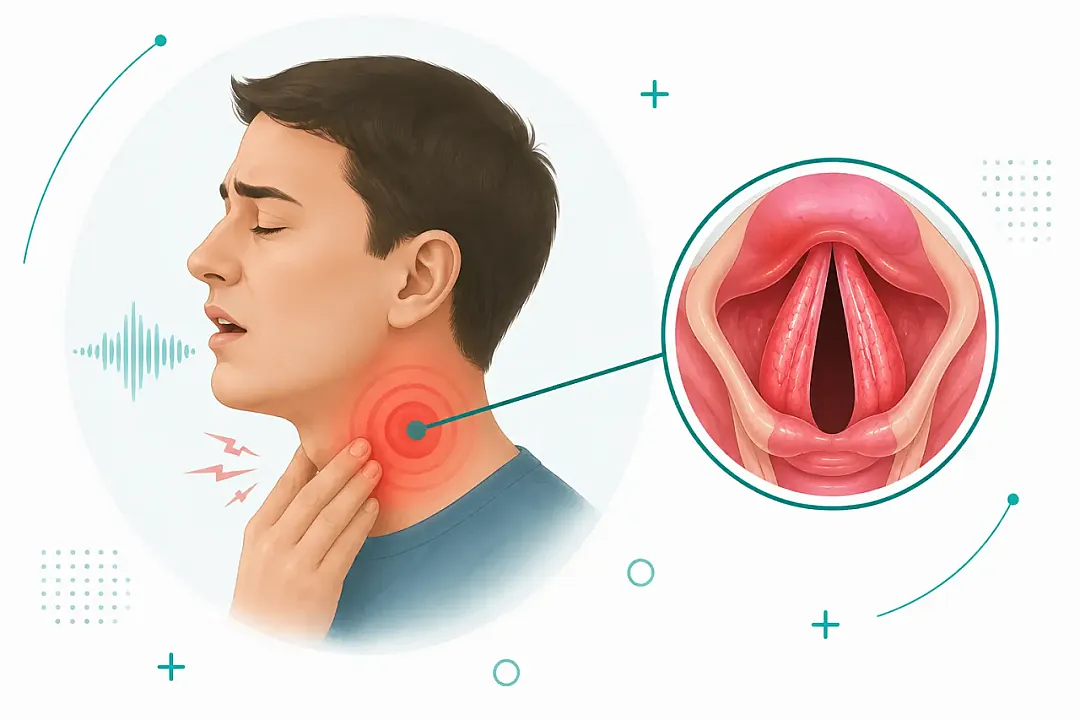
Laryngitis is the inflammation of the larynx, commonly known as the voice box. It affects the vocal cords and often causes hoarseness, voice changes, or temporary loss of voice. Acute laryngitis is usually caused by viral infections or excessive voice use, while chronic laryngitis may result from allergies, acid reflux, smoking, or prolonged irritation of the vocal cords.
At Dr Hans' Centre for ENT, we provide comprehensive evaluation and personalized treatment for both acute and chronic laryngitis. Our ENT specialists identify the underlying cause and recommend evidence-based treatment to relieve symptoms, restore voice quality, and prevent recurring episodes.
- Hoarseness or a raspy voice
- Temporary loss of voice
- Sore or irritated throat
- Dry throat
- Persistent cough
- Difficulty speaking for long periods
- Frequent throat clearing
- Pain or discomfort while talking
- Viral infections
- Excessive voice use or shouting
- Acid reflux (LPR or GERD)
- Smoking or tobacco use
- Allergies
- Exposure to dust, smoke, or chemical irritants
- Chronic sinus drainage (postnasal drip)
- Repeated respiratory infections
- Detailed medical history
- Physical examination of the throat
- Laryngoscopy to examine the vocal cords
- Evaluation for acid reflux or allergies
- Voice assessment for persistent symptoms
- Additional investigations if symptoms continue
- Medications to reduce inflammation or treat infection when indicated
- Voice rest
- Adequate hydration
- Treatment for acid reflux or allergies
- Steam inhalation and supportive care
- Voice therapy for persistent voice problems
- Management of chronic laryngitis and underlying conditions
You can reduce the risk of laryngitis by avoiding excessive voice strain, staying well hydrated, quitting smoking, managing acid reflux, limiting exposure to irritants such as dust and pollution, and treating respiratory infections promptly. Good vocal hygiene is especially important for teachers, singers, and other professional voice users.
At Dr Hans' Centre for ENT, we provide comprehensive care for voice and throat disorders using advanced diagnostic tools such as laryngoscopy for detailed examination of the voice box. Our experienced ENT specialists focus on identifying the root cause of laryngitis rather than simply relieving symptoms. From medical treatment and voice therapy to the management of chronic laryngeal conditions, we offer personalized care to help restore healthy voice function.
When to See a Doctor
- Hoarseness or voice loss lasting more than two weeks
- Frequently recurring symptoms
- Difficulty swallowing or breathing
- A lump in the neck
Common Questions
Frequently Asked Questions
Laryngitis is the inflammation of the voice box (larynx), usually causing hoarseness, voice changes, sore throat, or temporary loss of voice.
The most common causes include viral infections, excessive voice use, acid reflux, smoking, allergies, and long-term irritation of the vocal cords.
Acute viral laryngitis may be contagious because the viral infection can spread to others. Chronic laryngitis caused by reflux, smoking, or allergies is not contagious.
Acute laryngitis often improves within one to two weeks. Chronic laryngitis lasts longer and usually requires treatment of the underlying cause.
Yes. Continued voice use can increase strain on the inflamed vocal cords and delay recovery. Voice rest is often recommended during treatment.
Laryngoscopy is recommended if hoarseness persists, symptoms recur frequently, or your doctor needs a detailed view of the vocal cords and voice box.
Yes. Acid reflux can irritate the larynx and vocal cords, leading to chronic laryngitis and persistent hoarseness.
You should seek medical advice if your voice remains hoarse for more than two weeks, you have repeated episodes of laryngitis, or you experience difficulty swallowing, breathing, or persistent throat discomfort.
We're Here to Help You Hear Better
Our experts are ready to help you with accurate diagnosis and the right treatment.