
Sleep Apnoea
Diagnosis and advanced treatment options for snoring and obstructive sleep apnoea.
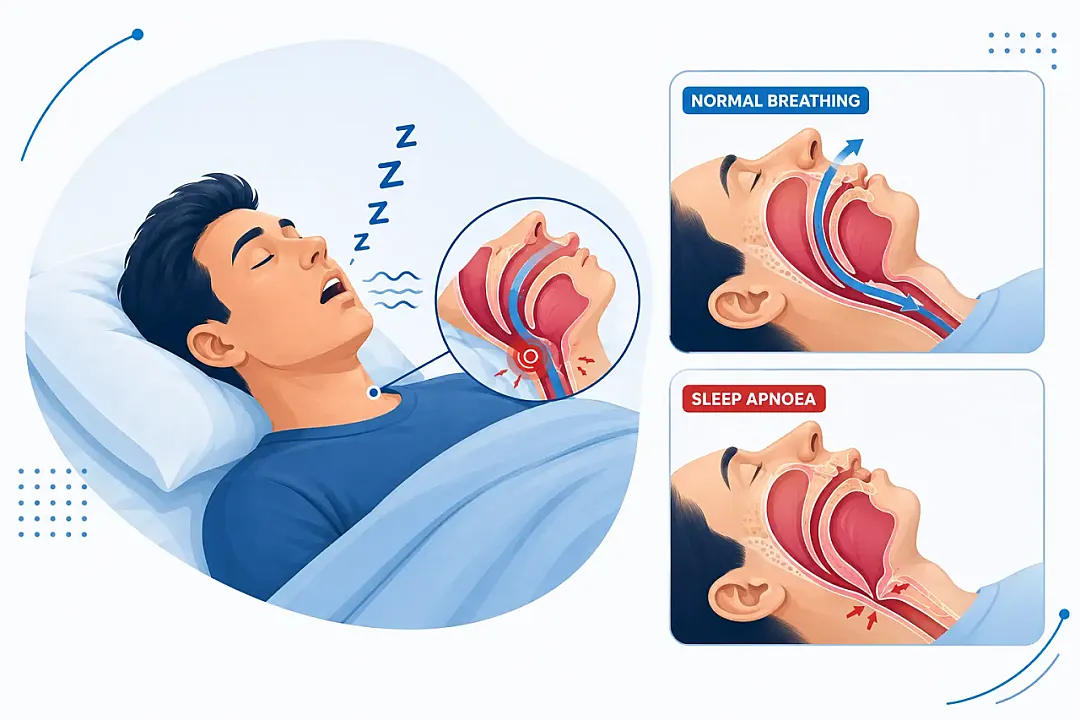
Overview
Understanding Sleep Apnoea
Sleep apnoea is a common sleep disorder in which breathing repeatedly stops and starts during sleep. The most common type, obstructive sleep apnoea (OSA), occurs when the muscles and soft tissues of the throat relax, causing partial or complete blockage of the airway. Many people are unaware they have the condition until it is noticed by a family member or sleep partner.
At Dr Hans' Centre for ENT, we provide comprehensive evaluation and treatment for sleep apnoea in adults and children. Our ENT specialists identify the underlying cause of airway obstruction and recommend personalized treatment to improve breathing during sleep, enhance sleep quality, and reduce the risk of associated health complications.
- Loud, persistent snoring
- Pauses in breathing during sleep
- Gasping or choking while asleep
- Excessive daytime sleepiness
- Morning headaches
- Dry mouth or sore throat on waking
- Difficulty concentrating
- Irritability or mood changes
- Excess body weight
- Enlarged tonsils or adenoids
- Deviated nasal septum (DNS)
- Nasal blockage or chronic sinus problems
- Family history of sleep apnoea
- Increasing age
- Smoking or alcohol consumption
- Structural abnormalities of the airway
- Detailed medical history and sleep assessment
- ENT examination of the nose, throat, and airway
- Nasal endoscopy, when required
- Sleep study (Polysomnography), when indicated
- Assessment of tonsils, adenoids, and airway anatomy
- Evaluation for associated nasal obstruction
- Lifestyle modifications, including weight management
- Treatment for nasal allergies or sinus conditions
- CPAP (Continuous Positive Airway Pressure) therapy for suitable patients
- Oral appliances recommended by sleep specialists
- Tonsil or adenoid surgery when indicated
- Palate surgery
Although not all cases can be prevented, maintaining a healthy weight, exercising regularly, avoiding smoking and excessive alcohol consumption, sleeping on your side when appropriate, and treating nasal blockage or allergies promptly may help reduce the risk or severity of obstructive sleep apnoea.
At Dr Hans' Centre for ENT, we offer comprehensive evaluation and management of sleep apnoea using advanced diagnostic techniques and a patient-centred approach. Our experienced ENT specialists assess the entire upper airway to identify the underlying cause of airway obstruction. Whether your condition requires medical management, CPAP support, or surgical treatment, we develop personalized care plans to help you achieve healthier, more restful sleep.
When to See a Doctor
- Loud snoring
- Pauses in breathing during sleep
- Waking up gasping for air
- Excessive daytime sleepiness
- Persistent nasal blockage affecting sleep
Common Questions
Frequently Asked Questions
Sleep apnoea is a sleep disorder in which breathing repeatedly stops and starts during sleep due to temporary blockage or narrowing of the airway.
Not always. While many people with obstructive sleep apnoea snore loudly, not everyone who snores has sleep apnoea. Persistent snoring should be evaluated if it is accompanied by breathing pauses or excessive daytime sleepiness.
Diagnosis usually involves a detailed medical history, ENT examination, airway assessment, and a sleep study (polysomnography) when clinically indicated.
Yes. Enlarged tonsils and adenoids are among the most common causes of obstructive sleep apnoea in children and may require specialist evaluation.
Untreated sleep apnoea may increase the risk of high blood pressure, heart disease, stroke, diabetes, poor concentration, daytime fatigue, and reduced quality of life.
Not always. Many patients are successfully managed with lifestyle changes, CPAP therapy, or oral appliances. Surgery is recommended only when appropriate based on the underlying cause.
For individuals who are overweight or obese, weight loss may help reduce the severity of obstructive sleep apnoea and improve overall health.
You should seek medical advice if you have loud snoring, witnessed breathing pauses during sleep, morning headaches, excessive daytime sleepiness, or persistent nasal obstruction affecting your sleep.
We're Here to Help You Hear Better
Our experts are ready to help you with accurate diagnosis and the right treatment.