
Sinusitis
Diagnosis and treatment for acute and chronic sinus infections.
Overview
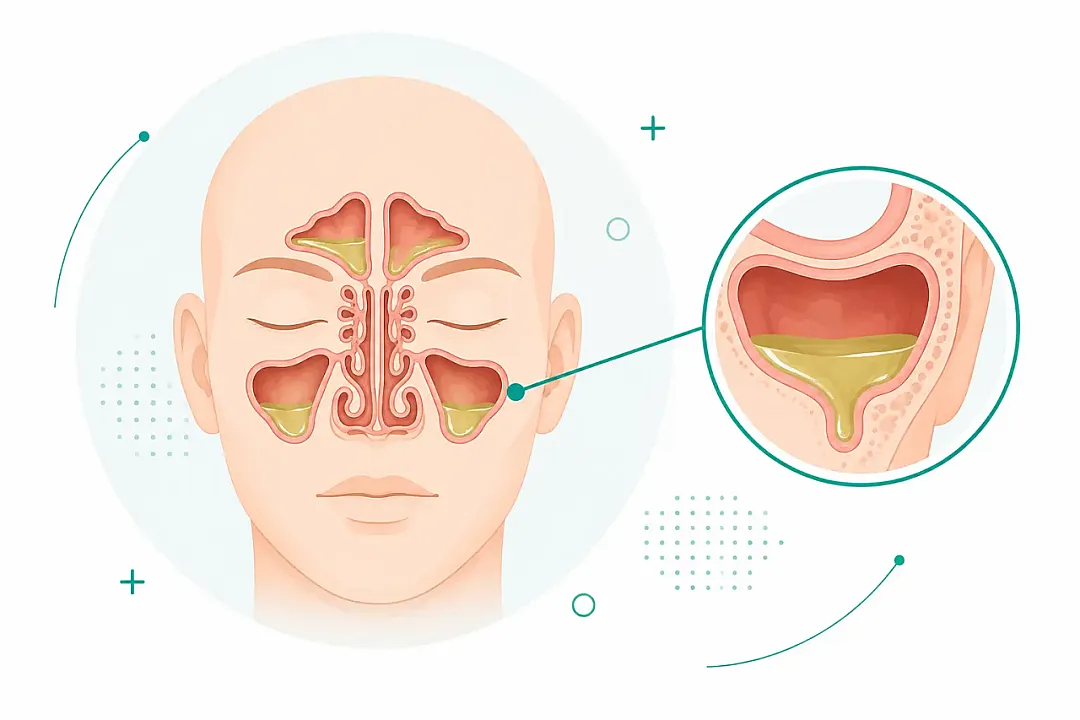
Understanding Sinusitis
Sinusitis is the inflammation of the lining of the sinuses, the air-filled spaces located around the nose and eyes. It commonly develops following a viral infection, bacterial infection, allergies, or structural problems within the nose. When the sinuses become blocked, mucus cannot drain properly, leading to pressure, pain, and difficulty breathing through the nose.
At Dr Hans' Centre for ENT, we provide comprehensive evaluation and personalized treatment for both acute and chronic sinusitis. Our ENT specialists identify the underlying cause and recommend evidence-based treatment to relieve symptoms, restore normal sinus drainage, and reduce the risk of recurrent infections.
- Nasal congestion or blockage
- Thick yellow or green nasal discharge
- Facial pain or pressure
- Headache
- Reduced or loss of sense of smell
- Postnasal drip
- Cough, especially at night
- Bad breath
- Viral or bacterial infections
- Allergic rhinitis
- Deviated nasal septum (DNS)
- Nasal polyps
- Exposure to air pollution or cigarette smoke
- Recurrent upper respiratory infections
- Weakened immune system
- Dental infections affecting the upper jaw
- Medical history and symptom assessment
- Nasal examination
- Diagnostic nasal endoscopy
- Allergy evaluation, when indicated
- Cone Beam CT (CBCT) scan or CT scan for chronic or recurrent sinusitis
- Examination for structural nasal abnormalities
- Medications to reduce infection and inflammation
- Saline nasal irrigation
- Nasal sprays to improve sinus drainage
- Allergy management, when required
- Treatment of underlying nasal conditions such as DNS or nasal polyps
- Endoscopic Sinus Surgery for selected patients with persistent or chronic sinusitis
- Regular follow-up to monitor recovery and prevent recurrence
Although sinusitis cannot always be prevented, maintaining good nasal hygiene, managing allergies, staying well hydrated, avoiding tobacco smoke, treating respiratory infections promptly, and seeking early medical care for persistent nasal symptoms can help reduce the risk of recurrent sinus infections.
At Dr Hans' Centre for ENT, we offer comprehensive care for acute and chronic sinusitis using advanced diagnostic facilities, including nasal endoscopy and CBCT imaging when required. Our experienced ENT specialists focus on identifying the root cause of your sinus problems rather than simply treating the symptoms. Whether you require medical management, allergy care, or minimally invasive endoscopic sinus surgery, we provide personalized treatment designed to improve your breathing and overall sinus health.
When to See a Doctor
- Symptoms lasting longer than 10 days
- Frequently recurring symptoms
- Severe facial pain
- Persistent nasal blockage
- Fever or swelling around the eyes
- No relief from over-the-counter medications
Common Questions
Frequently Asked Questions
Sinusitis is the inflammation or infection of the lining of the sinuses, leading to symptoms such as nasal blockage, facial pain, thick nasal discharge, and headache.
Acute sinusitis usually lasts less than four weeks and is often caused by a viral infection. Chronic sinusitis persists for 12 weeks or longer and may be associated with allergies, nasal polyps, or structural nasal problems.
Yes. Allergies can cause persistent inflammation inside the nose, blocking normal sinus drainage and increasing the risk of developing sinusitis.
Diagnosis is based on your symptoms, ENT examination, nasal endoscopy, and imaging studies such as a CBCT scan or CT scan when clinically indicated.
Surgery may be advised for patients with chronic or recurrent sinusitis that does not improve with appropriate medical treatment or when structural abnormalities are contributing to persistent symptoms.
Sinusitis itself is not contagious. However, viral infections that can lead to sinusitis may spread from person to person.
Yes. Recurrence is possible, particularly if underlying allergies, nasal polyps, or structural problems are not addressed. Regular follow-up and preventive care can help reduce the risk.
Seek prompt medical care if you develop severe facial swelling, vision changes, persistent high fever, severe headache, or worsening symptoms despite treatment.
We're Here to Help You Hear Better
Our experts are ready to help you with accurate diagnosis and the right treatment.